

Are We Confusing Purchasing With Progress?
When clicking "add to cart" gives me the sense of productivity I crave

The moment I returned to our fishbowl-of-an-apartment with a newborn, I was forcefully shoved off my productivity treadmill. Suddenly I sat confined to the sofa for hours a day with a tiny infant attached to my sore and swollen boobs.
In a shell-shocked, exhausted haze and unable to check off any to-dos, I’d reach for the comforting glow of my phone. My Instagram feed served me on-point postpartum memes alongside links to baby gear: pacifiers in various shapes, complicated swaddles, subscriptions to a baby book club, e-courses on sleeping and feeding.
In my disoriented state, I was a sitting duck, and the marketing algorithm pounced. Every time I clicked “add to cart,” it felt like I was making progress. In this case, toward being a capable mother.
I don’t think I was alone in this pattern, judging from the piles of Amazon packages I’ve stepped around on the porches of other new parents.
How many of us, a few short weeks after mentally processing the positive pregnancy test, started compiling a list of links for our baby registry? During the nine excruciating months of waiting and bracing for the bomb we’d been warned would detonate in our comfortable life, we eased our anxious anticipation by researching and accumulating designer baby gear. Surely getting all the right stuff will set us up to be good parents.
Purchasing as Productivity
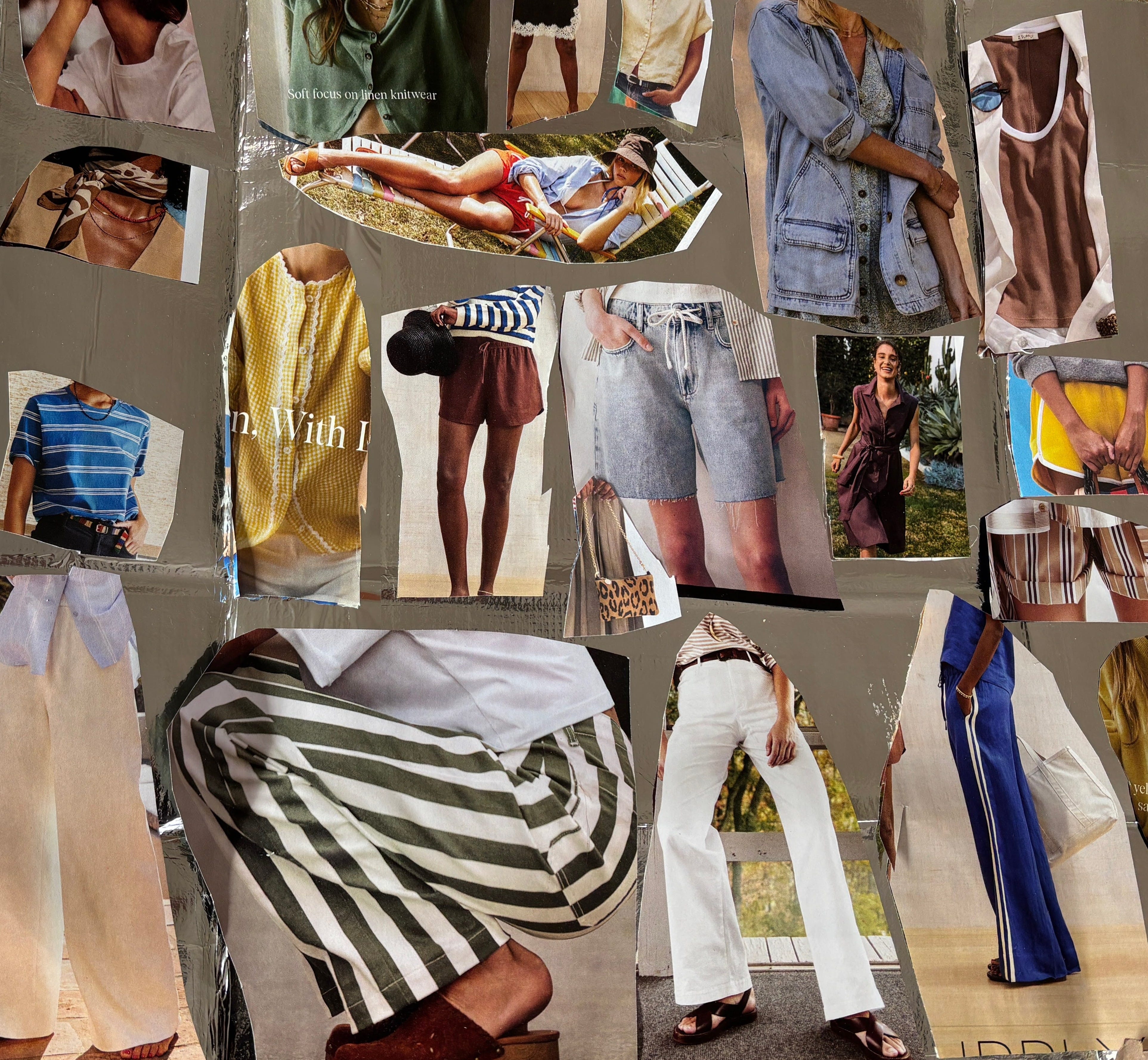
I’ve always felt a need to be productive, to be moving forward. And now, one of the easiest ways to feel like I’m doing just that is to make a purchase.
I enjoy the quick hit of dopamine that crossing something off my to-do list (which now sometimes includes a “to-buy” section) delivers. Order bigger ballet slippers for my daughter! Buy a frame for that print we found on vacation!
It’s tempting to think that we’re one order away from a better existence. (How many headlines describe “life-changing” products?) We perk up when we read about the single item that will make everything easier or more pleasurable.
During the extended periods when I’ve “quit” Instagram, I’ve noticed that I shop less, despite the fact that I rarely bought anything via the platform. The financial impact is that I’m no longer exposing myself to so many ideas for ways to spend my money.
The ShopMy Phenomenon
When I wrote about my packing and outfit planning strategy as I prepared for a big trip, one reader commented that it was odd that I didn’t include any shopping links. She even went as far as to suggest that I was gatekeeping.
It hit me that we’ve become such well-trained, compliant consumers that we can actually feel cheated if someone isn’t selling us something.
When I write about my experience getting more creative and intentional with the clothes I put on my body, the last thing I want to do is make anyone feel like they need to buy more stuff.
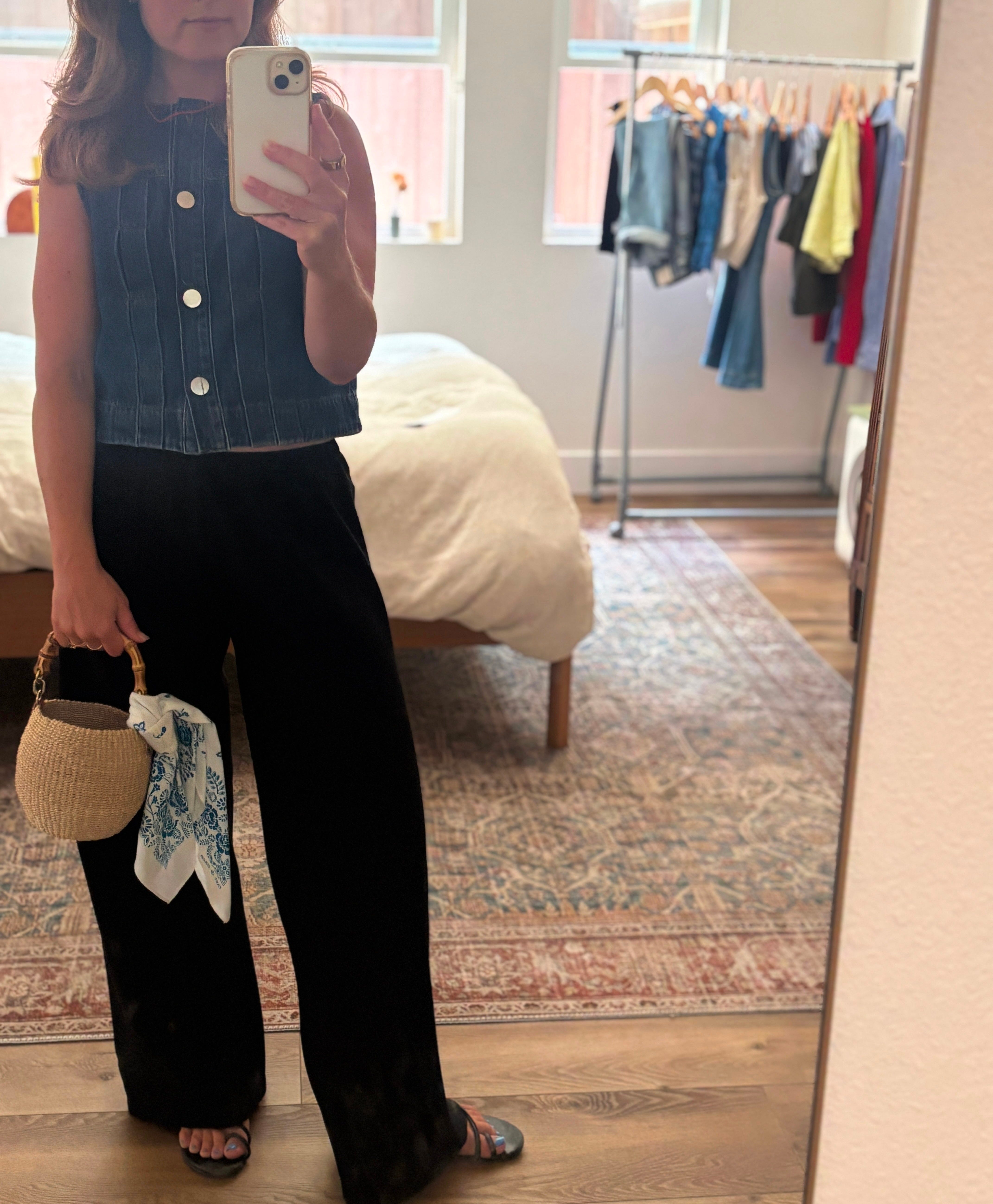
Clicking “buy now” on a ShopMy profile can feel like a quick solution, but I’m learning that dressing well is a skill. It takes consistent trial and error to understand texture, color, and shape and figure out how to combine pieces in a visually appealing way that suits your particular body and lifestyle. Despite all the dreamy movie makeover montages and satisfying reality show reveals that thrilled my teenage self, a shopping spree is not a shortcut.
A person whose taste I admire has no way of taking into account my body type, closet, budget, and priorities when she talks about the “holy grail T-shirt.” How would the style writers predict how annoyed I’d get when I wear their beloved pant of the season, repeatedly pulling up the lower-rise waist over my fuller backside during my daily bike trips?
An Overproduction Crisis
The impact that dressing better since becoming a mother has had on my mood and confidence can’t be overstated, but I’m still reconciling my own shopping with the knowledge that we’re wearing our pieces half as long as we did just 15 years ago. Clothing production has doubled since 2000, with the industry now pumping out 100 billion new garments a year.1
I’ve spent enough time digging around Marketplace to know that everything we could ever hope to buy is already in existence, and there’s someone ready for us to take it off their hands.
Yet I still feel the pull to unbox the factory-fresh version.
Creator Conundrum
I appreciate a good recommendation like the rest of us, and it’s gratifying to pass one along (almost like a good deed!), but is constantly exchanging links really the momentum our psyche craves?
I’m all for more women achieving financial independence and professional flexibility, but I bristle thinking about how often this freedom seems limited to encouraging other women to buy more stuff. Sometimes it feels like we’re all selling to each other in one giant, retrograde Tupperware party. How might our perspective change if we replaced the title “influencer” with “salesperson?”
An article by a successful fashion writer included a series of shopping recommendations, including $800 pajamas. In the concluding paragraphs, the author mentioned that the money she’d started earning from product commissions had helped her pay off her credit card debt. I wondered if anyone else found it ironic that she might have gotten out of debt by helping others accrue it.
Even if some creators are making an incredible living, it’s tiny in comparison to the cash that they’re earning for the brands — often controlled by men. In the end, it’s late-stage capitalism behind all this, and demonizing individual creators who have the talent and drive to thrive in this economy won’t solve much. I wonder if the traditional corporate jobs I’ve held were any more noble, given that the end goal was to convince people to consume more than they needed, to the ultimate financial benefit of the executives and shareholders.
Consumption as Self-Care
I’ve noticed a pattern in certain content oriented toward my demographic. Opening paragraphs acknowledging either A. The scary state of the world right now: air quality too poor for kids to play outside, world leaders making willy-nilly nuclear threats, protesters murdered in the streets, or B. The suffering of modern parents: unreliable childcare, isolation, general sleeplessness. Following this reflection is a sharp transitional phrase that introduces readers to a list of things that the writer is buying, or thinking of buying, to get them through these hard times. Water bottles, injections, tote bags, slides.
I get it — I like nice things! (Especially now that I can finally afford them in mid-life.) But does it make sense to encourage others to cope with national and global crises via more consumption — ultimately adding to the millions of tons of plastic2 and textile waste3 now piled on Earth each year?
Will taking on the responsibility of storing, maintaining, and eventually disposing of yet another possession really ease our mental bandwidth? Perhaps we would find a less superficial comfort if we journaled for five minutes or invited a friend on a walk or planted some seeds in an old pot instead of ordering another $280 pull-on pant?
All this to say that I’m here for anyone who’s struggling to make sense of this runaway train and our role in it. I can only offer confessions and concerns, not judgments or solutions. But I like to think that examining the current operating system and engaging in a conversation is a healthy exercise. I’d love to hear your thoughts about online consumer culture: Do you feel the same or think I have it all wrong? Have you noticed something else?
I smiled reading this because it resonates with me so much I feel seen. When adding to cart (though not yet bought), I do have that feeling like okay, I have prepared something. I am one step ahead, just have to check out and pay.
This is so spot on, and something I have been thinking a lot about recently. We are all looking for ways to feel in control, and the act of shopping has the feeling of achieving it. Even ordering grocery shopping online gives me that feeling of accomplishment. Thank you!